
Cultural perspectives on the evolution of gambling practices across societies
Cultural perspectives on the evolution of gambling practices across societies
The Origins of Gambling Practices
The practice of gambling can be traced back to ancient civilizations, where games of chance and skill were often intertwined with religious and cultural beliefs. In early societies, such as the Chinese and Egyptians, dice made from bones were used for both gaming and divination purposes. This reflects a deep-seated connection between fate and the act of gambling, where the outcome was believed to be influenced by supernatural forces. Today, many players engage in real money poker as a contemporary pursuit of chance.
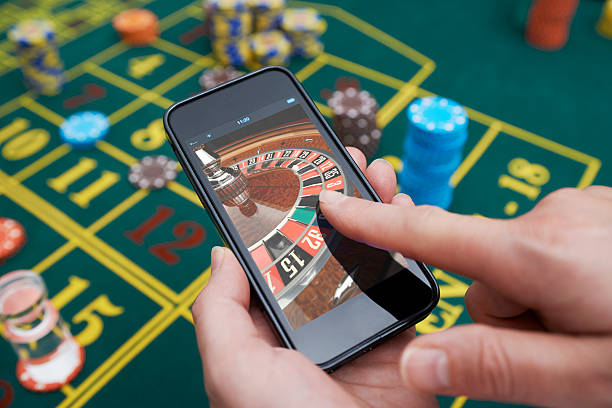
As societies evolved, so too did their gambling practices. The Greeks and Romans introduced more structured forms of gambling, often incorporating it into social events and festivities. This transition marked the beginning of gambling as a recreational activity, illustrating how cultural perspectives shaped the rules and contexts in which gambling occurred.
Gambling in Religious and Cultural Contexts
Throughout history, many cultures have viewed gambling through a religious lens. In some societies, it is seen as a form of divination or a means of connecting with deities. For instance, in ancient India, gambling was associated with the god of chance, and it was common during festivals. In contrast, other cultures, particularly those with strong religious prohibitions, view gambling as morally unacceptable, associating it with vice and detrimental behavior.
These contrasting views highlight the complexity of gambling’s role in society. Where some cultures embrace gambling as a form of entertainment and community bonding, others may strictly regulate or ban the practice altogether, showcasing the diversity in cultural attitudes toward chance and risk.
The Role of Technology in Gambling Evolution
The advent of technology has significantly transformed gambling practices across societies. The introduction of the printing press allowed for the mass production of gambling materials, such as playing cards and lottery tickets, making these games more accessible to the general population. This shift not only democratized gambling but also led to the establishment of modern betting systems.
With the rise of the internet in the late 20th century, online gambling emerged, reshaping the landscape entirely. Today, players from different cultural backgrounds can engage in various games without geographical limitations, prompting a global exchange of gambling practices and strategies. This evolution raises questions about the cultural significance of gambling in an increasingly interconnected world.
Social Implications of Gambling Across Cultures
Gambling often reflects the social dynamics of a culture, including issues of wealth distribution, risk-taking behaviors, and community values. In some societies, gambling is integrated into social gatherings, fostering camaraderie and collective enjoyment. However, it can also lead to social problems, such as addiction and financial strain, disproportionately affecting vulnerable populations.
The dual nature of gambling—its capacity to unify while also potentially causing harm—demands a nuanced understanding of its impact. Each society must navigate the balance between enjoying the thrills of gambling and mitigating its risks, often leading to varying regulations and social attitudes toward the practice.

Exploring More about Gambling Practices
For those interested in delving deeper into the cultural perspectives of gambling practices, the wealth of information available online can be invaluable. Websites dedicated to this subject offer insights into various forms of gambling, their historical contexts, and their significance within different cultures. This exploration can enhance our understanding of how gambling shapes and is shaped by cultural narratives.
Moreover, these platforms often highlight responsible gambling practices and educational resources, emphasizing the importance of awareness and moderation in gambling activities. Engaging with such content can foster a more informed and balanced view of gambling, reflecting both its cultural richness and its potential challenges.